What Is Fire Risk Management?
Fire risk management affects how organizations identify, assess, and reduce fire risk in their buildings and includes planning, prevention, education, and implementing systems and regulations to decrease damage caused by fire and protect people.
The point of fire risk management is to take measures before the fire hazard becomes a problem. Fire risk management involves measures that take action on fire safety hazards with preventative tools such as routine inspections, education on fire safety, and fire-fighting systems will reduce your level of risk. For businesses, fire risk management protects your employees, customers, assets, and operations from fires, whether big or small.
Why Fire Risk Management Is Essential for Every Business?
Fires on commercial properties can have a terrible impact, putting people in harm’s way, causing legal problems, destroying records, catastrophic and considerable to millions in damage. Every type of business, from retail stores to restaurants and offices to warehouses, has an ethical, and legal obligation to address the risks of fire safety.
- Aids business recovery: The quicker you can recover after an incident = time off work installing and fixing the damages
- Generates less legal issues: The adherence to the fire prevention laws and fire safety regulates guard your business against the additional fines or lawsuits.
- Reduced insurance premiums: Insurance companies prefer assuring their property is covered by adequate fire safety provisions by business owners at reduced premiums.
Top Fire Risk Management Tips for Businesses
Implementing an effective fire risk strategy doesn’t have to be overwhelming. These tips can help:
1. Do Fire Risk Checks Often: Plan thorough looks at your building to spot things that can catch fire bad wiring, or blocked ways out.
2. Establish and maintain fire alarm systems: Install a system with Smoke detectors and warning sirens. Have a licensed fire protection service company check the effectiveness of the systems.
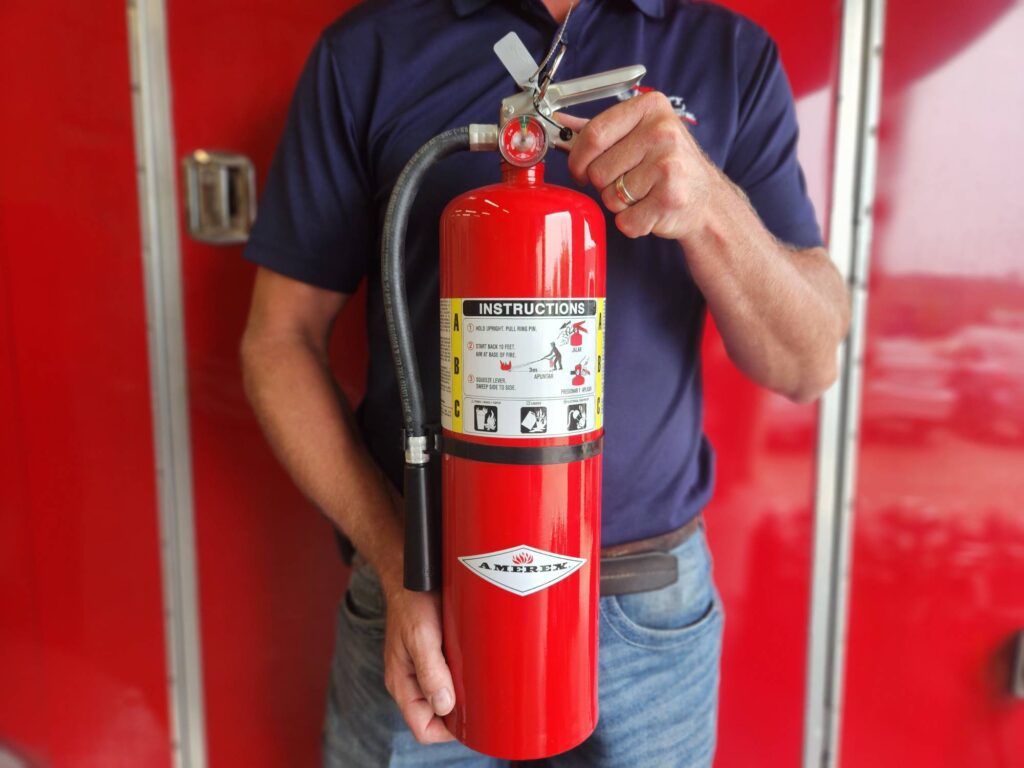
3. Instruct Employees On Fire Safety: Conduct fire evacuations and instruct employees in using fire extinguishers, identify exit locations, and current emergency procedures.
4. Control Combustibles: Store flammable materials, including chemicals and cleaning products, in proper flammable impact protected/ flammable controlled areas, separated from heat sources.
5. Keep emergency exits clear: Make sure all emergency exits are marked and clear to avoid last-minute panic.
Common Fire Hazards in Commercial Properties
Fires start from hazards that people ignore or forget. Here are some of the main risks:
- Electrical problems:
- Mitigation of electrical problems is a direct cause of electrical fires that are a direct result of overloading circuits, damaged wiring, and uninspected electrical panels, among other things.
- Cooking equipment:
- On equipment used in cooking, there is a grave hazard to a career where oil, grease and heat are used together.
- Heating Systems:
- Transformed boilers or other mobile heaters can trigger possible flammable substances around them.
- Flammable Clutter:
- A stack of paper, boxes of cardboard, or trash will serve as fuel to the fire.
- Incorrect Use of Extension Cord:
- Using too many plugs on an electrical outlet is an open invitation to devastation.
Industry-Specific Fire Risk Management Strategies
Every company faces its fire safety challenges. A single approach doesn’t work for all when it comes to managing fire risks. Instead, custom plans boost effectiveness and help meet legal requirements. Fire protection services can save your business by identifying these unique needs and providing tailored solutions. Here’s a look at industry-specific tips to help companies take the right safety measures:
- The grease fires common in restaurants make kitchen hood systems and duct cleaning very vital.
- In the retail stores, electrical load should be handled and fire exit should be clear in order to avoid dangers.
- Offices should focus on smoke detection in server areas and conduct regular fire drills.
- Healthcare facilities require careful handling of oxygen tanks and patient evacuation planning.
- Finally, facilities to provide room-based alarms, multilingual directions, and employee training are required at hotels.
Joining hands with a trusted fire protection service can make the systems industry-specific to be installed and maintained in a correct way.
Choosing the Right Fire Risk Management Service Provider
Your safety relies on your partners’ know-how. When picking a fire protection service, think about these points:
1. Certifications and Licenses
Be sure that the provider is compliant with the NFPA (National Fire Protection Association) standards, as well as ensuring that he or she has the relevant licenses in your state.
2. Knowledge of Your Field
Ask to see case studies or references. A restaurant needs different fire protection than a factory or hospital.
3. 24/7 Emergency Assistance
Select a provider that delivers swift responses and support whenever an issue arises.
4. Full Range of Services
Look for companies that offer complete solutions: to assess risks, design systems, install equipment, train staff, and inspect facilities.
5. Regular Upkeep Plans
Ongoing system checks, alarm tests, and extinguisher servicing should be part of the deal.
A dependable fire protection service company doesn’t just put in gear – it teams up with you to keep fire risks at bay for the long haul.
Fire Risk Management Checklist for Business Owners
Here’s a handy list to keep your fire safety efforts in check:
- Stay on top of fire risk assessments each year.
- Put in smoke and heat detection systems.
- Keep fire exits open and marked.
- The coaching staff often on how to evacuate.
- Place flammable items in secure locations.
- Team up with a fire protection service you can count on.
- Have a fire safety plan written down.
- Put up emergency contacts and maps for fire drills.
- Check alarms and emergency lights every three months.
By using this list, you can make sure your business follows the rules and cut down on fire risks big time.
FAQs
1. Fire Safety has legal requirements in U.S. businesses.
Fire safety in the U.S. is regulated by OSHA standards and NFPA codes. U.S. businesses must provide accessible fire exits, maintain working alarm systems, and ensure that all fire suppression systems are maintained and conform to standards.
2. How often should I commence a fire risk assessment?
You should commence a fire risk assessment at least once per year or if you make significant operational and/or equipment changes or a layout change.
3. Does a small business benefit from fire protection services?
Yes. Even the smallest shops or home offices can benefit from a fire protection service to obtain extinguishers, alarm systems, and nothing beats sound advice from a professional.
4. What should my staff understand about fire safety?
Personnel should know escape routes, how to use fire extinguishers, where exits and alarms are, etc., and drills help to reinforce this.
5. Fire detection versus fire suppression: what’s the difference?
When by ‘detection’ we refer to knowing a fire has begun (smoke alarms, heat sensors, etc.), and suppression refers to extinguishing it (e.g., sprinklers, fire extinguishers, etc.). Detection and suppression are also an integral part of avoiding fires.
Conclusion
Fires can destroy everything, but you can protect your business, workers, and clients through fire risk management. Every step matters – from checking risks to using strategies for your industry and picking the right fire protection service company. Prioritise fire safety today—and prepare for what is next.
If you operate a small shop or manage a multi-storey building, remember: it is always better to prevent fires than to manage fires later.
Also Read:
Fire Suppression System Failure: Top Causes to Avoid