What Are Fire Emergency Procedures?
Fire Emergency Procedures are organized steps and actions created to safeguard employees and assets when a fire occurs. These procedures spell out what employees should do if a fire starts—whether it’s getting out using fire extinguishers, or calling for help.
They include:
- Sounding the alarm
- Calling emergency services
- Getting everyone out of the building
- Using fire extinguishers if you know how
Why Fire Emergency Procedures Matter in Every Workplace?
Every workplace faces fire risks, no matter its industry or size. A basic electrical problem, items that catch fire, or a kitchen accident can turn into a terrible fire if not handled correctly. This is why putting solid Fire Emergency Procedures in place isn’t just a good idea—it’s something you have to do by law and because it’s the right thing to do.
Main reasons they’re important:
- Life Saver: People should be aware of how to deal with a fire situation.
- Damage is reduced: Well-strategized procedures help in minimizing damage.
- Following OSHA and NFPA Rules: Workplaces in the U.S. have to meet fire safety rules set by these groups.
- Cutting Down Legal Risks: Companies that offer Fire Extinguisher Training Classes and emergency drills have better protection against lawsuits.

Key Fire Emergency Procedures Every Workplace Must Follow
Here are the core procedures that should be part of every fire emergency plan:
- Sound the Alarm Right Away: Anyone who spots smoke or fire must set off the fire alarm at once.
- Exit: All workers must head to the closest exit and go to the set meeting spot.
- Emergency Number: Call 911 even if you spot a small fire because it may lead to a big disaster. Emergency preparedness can make all the difference.
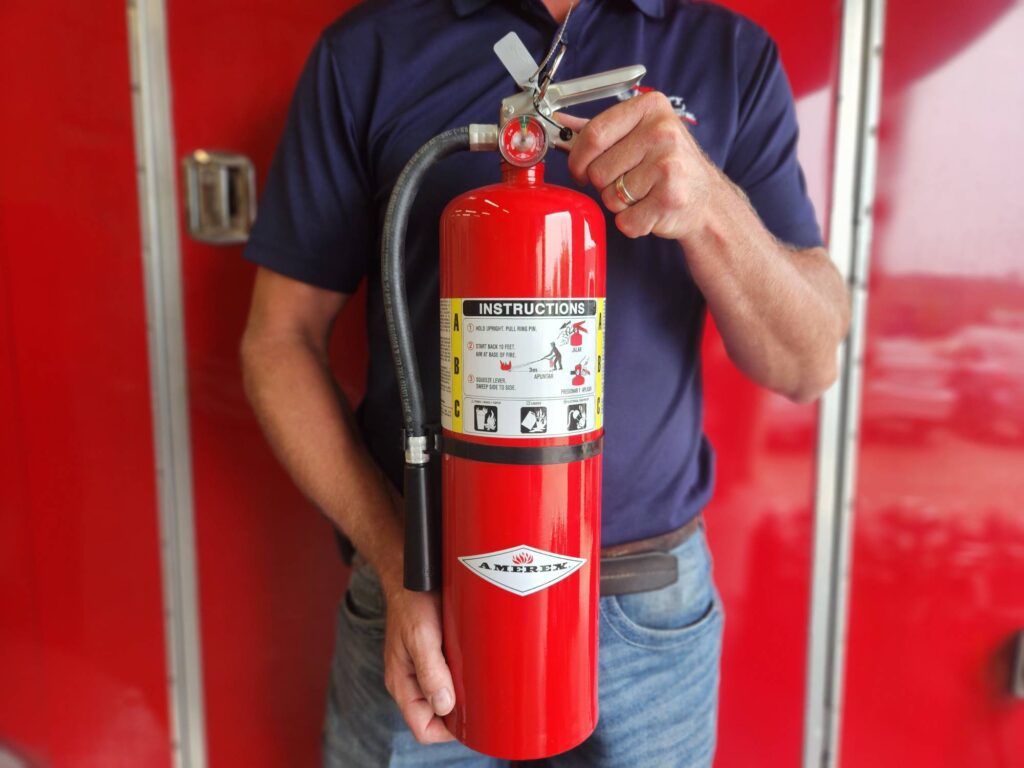
- Properly learn the use of Extinguishers: Experienced and well-trained workers use extinguishers with full efficiency to deal with fire.
- Prioritizing Others: Along with you, try to save others’ lives too, on humanitarian grounds.
- Minimize space: This could be achieved by closing a door, as it will help in the less spreading of fire.
Keep these Fire Emergency Steps visible in all areas of the workplace and practice them often.
Fire Emergency Roles and Responsibilities
Any fire emergency response procedure is destined or doomed to fail when every employee is not knowledgeable of his or her role.
Fire Emergency Roles and Responsibilities are designed to reduce levels of confusion, increase response time, and ensure the safety of people and property in case of an outbreak of fire. The role of fire extinguisher training in emergency situations is also crucial, as it empowers individuals to respond effectively and potentially control small fires before they escalate. This is the description of key roles that are distributed in a workplace:
1. Fire Warden/ Floor Warden
Well-trained wardens know how to deal with the fire and will ensure that everybody is protected and safe.
- Make the evacuation.
- Open every door, bathroom, and place where people may hide, and again check that no one is inside.
- Aid those who are disabled or others in need.
- Limit the fire spread by closing the door.
2. Emergency Coordinator
A coordinator helps in the proper management of the situation as communication is made easy and orders are followed properly, avoiding any mishap.
- Commands in the crisis.
- Ensures there is someone who makes an immediate call to 911.
- Speeches to the first responders and firefighters.
- Turns on the alarm system.
- Keeps the workers aware and provides them with guidance.
3. Trained Employees Who Know How to Use Fire Extinguishers
Quick, safe use of fire extinguishers can stop a small problem from getting bigger, but when people who know what they’re doing handle them.
- Try to put out small fires, but when it’s safe.
- Must have finished Fire Extinguisher Training Classes.
- Put their safety first.
4. General Employees
Each worker has a big part to play in making sure everyone gets out and.
- Learn and stick to all Fire Emergency Procedures.
- Leave right away through the closest safe exit.
- Don’t pause to grab your stuff. Go to the set meeting spot.
- Check in with your boss or warden at the gathering area.
5. First Aid Personnel
Fast medical assistance may be the difference in terms of saving everyone in crisis and keeping people stable until EMTs arrive.
- Give first aid to anyone hurt during the exit.
- Remain with injured people until professional medical help shows up.
- Handle first-aid kits.
6. Staff of Reception
They keep an eye on every movement, helping in proper management.
- Keep a current note of the number who visitors you have.
- Make sure all visitors exit.
- Pass on key details to emergency responders, like how many people are in the building.
Creating a Fire Emergency Plan for Your Workplace
A plan for a fire emergency in the workplace need not be difficult. The major steps towards getting you started are as follows:
- Conduct a Fire Risk Assessment: Identify potential and potential fire hazards and, in addition, review the fire requirements in your workplace.
- Install the Sound Emergency Places of Reception and Safe Meeting Place: Mark all exits, make them easily accessible, and select the external location that is safe to receive each other.
- Appoint Fire Emergency Positions and Responsibilities: Select fire wardens, evacuation leaders, and employees that taken courses on Fire Extinguisher Training.
- Install and Maintain Safety Fire Equipment: Install and maintain safety fire equipment like smoke detectors and fire alarms, extinguishers, and emergency lighting at the place of work.
- Train employees on Fire Emergency Procedures: Conduct training drills occasionally by providing training and familiarizing all employees with the Fire Emergency Procedures and how to evacuate a building and use extinguishers.
These simple, but important actions develop the basis of an effective fire emergency strategy to ensure the survival of all.
Training Employees on Fire Emergency Procedures
The education part that influences the response of people to emergencies is very large. Employees must have an idea and be confident that they can do it.
- Welcome New Employees: On the 1 st day of new employees, offer your fire-comes-out instructions.
- Normal Fire Practice: Conduct two fire drills per year to get out and make response times faster.
- Fire Extinguisher Lessons: Enroll selected employees in formal Fire Extinguisher Lessons to put out minor fires.
- Job-Specific Teaching: Train the team of fire wardens, first-aid, and leaders in emergencies.
- Reminder Sessions: Trainings need to be updated or updated whenever the fire safety regulations or architectural features altered.
- Visual aids and signage: Company-based posters, floor maps, and video tutorials to cement the learning.
- Feedback & Evaluation: To see where there are holes and to improve the use of drills or training, seek input after drills or training.
Well-trained employees respond faster, are less emotional, and support one another in the cases of actual crises. Meeting fire extinguisher training requirements ensures that staff are properly equipped to handle emergencies confidently and effectively.
Fire Safety Equipment: What Every Workplace Needs
Having this gear is just part of the job—staff also need Fire Extinguisher Training to use them the right way.
- Smoke and Heat Detectors: Allow early fire discovery.
- Sprinkler Systems: Put out fires on their own.
- Exit and emergency lights: Label all the emergency exits.
- Emergency Alert System: Utilize PA systems, or disperse alert text/emails.
- First Aid Supplies: have them accessible and well-stocked.
Fire Emergency Procedures Checklist
The following are some of the simple checklists that should ensure that your firm is ready to handle any fire incident:
- Each building should mark every exit door properly to avoid hassle in an emergency. All alarms should be functional, and a map of the building should be there.
- Sessions for training people about fire extinguishers in emergencies, within the government guidelines.
- Keep fire detectors and fire extinguishing apparatus in proper condition and follow an effectively arranged fire emergency routine that is renewed at least two times a year under the OSHA guidelines and regional fire laws.
Check this list every month to spot any weak points in how ready you are.
FAQs
Q1: How frequently should workplaces do a fire drill?
A: According to the experts, a fire drill should be done at least twice a year. High-risk places may be required to conduct drills every three months as a way of fortifying their Fire Emergency Procedures.
Q2: Is the Fire Extinguisher Training Course compulsory?
A: Not every worker has to attend these classes, as the law does not require them. Nevertheless, it is a good practice to train certain members of the staff, those individuals who may be forced to operate fire extinguishers.
Q3: What is the main action in the event of a fire?
A: The initial move would be to activate the fire alarm and evacuate the building. Individuals who have attended fire extinguisher training should attempt to put out a small fire, but only when it is safe.
Q4: What type of fire extinguisher should we have at work?
A: It hinges on your line of work. Workplaces require Class A/B/C extinguishers, while kitchens/food-related locations must have Class K extinguishers. This information will be included in good fire emergency plans.
Final Thoughts
Fire disasters can happen at any time, so be prepared beforehand! When you implement effective Fire Emergency Procedures, it can ensure the safety of your people, protect your property, and well as peace of mind. Adding this to frequent drills and Fire Extinguisher Training Classes makes your workplace safer and responsible.
Also Read:Fire Risk Management Tips for Your Business