
Why Pressure Matters in Fire Extinguishers?
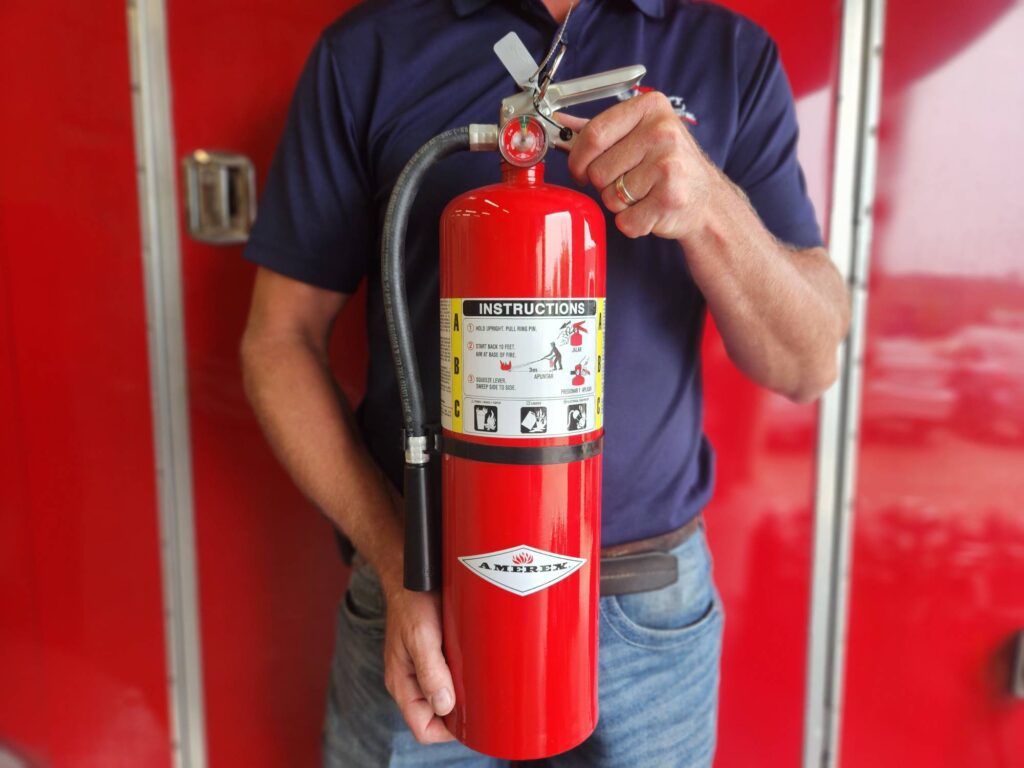
Fire safety demands working fire extinguishers. Pressure plays a key role in every fire extinguisher. That is how it works by using pressure to throw the extinguishing agent: water, foam, dry chemical, or one of very many other materials used to extinguish fires.
Suppose the pressure is not good; even a perfect agent might not work when it needs to. This is particularly vital for fire extinguishers. That’s why checking pressure is a must in any Fire Extinguisher Service Dallas or anywhere in the U.S.
What Is Low Pressure in Fire Extinguishers?
The most prevalent reason for low pressure in fire extinguishers is that the pressure is not sufficient for the appliance to actuate properly. Most fire extinguishers have a pressure gauge attached to them with areas that mark green (just right), red (too low), and possibly overcharged (too high).
A low-pressure state could be caused by regular pressure loss over a long time, leaks, or conditions in the environment of the extinguisher. No matter why it happens, it’s a big deal that makes the extinguisher less effective and trustworthy.
Top 7 Common Causes of Low Pressure in Fire Extinguishers
1. Age and Natural Wear: Fire extinguishers can lose pressure as they get older if they’ve passed their service life. Most units last 5–15 years, depending on the type.
2. Seal or Valve Leakage: Small leaks in the valve or pressure seal can have an impact on the fire extinguisher pressure over time. People often miss these leaks until a routine check.
3. Disrupted Recharging: After its use, it is necessary to recharge for next time use.
4. Corrosion or Rusting Damage: The Cylinder will leak gas as it gets weakened if there is any rust present on it. Damage will also depreciate the interior components that keep the pressure stable.
5. Temperature Variations: Fire extinguishers stored in extreme heat or cold (a garage or storage unit) could lose pressure from the pressure being too high from the expanded gases or too low from the contracted gases
6. Manufacturing Issues: Although it is rare, some extinguishers could leave the factory with minor issues that make fuel keeping pressure a challenge and therefore unsafe.
7. Hose Blockages: Also, a clogged hose could hold pressure hostage or inhibit the device from functioning at all, causing pressure to be lost over time.
Experts who offer Fire Extinguisher Service in Dallas can spot and fix all these problems during regular check-ups.
Dangers of Using a Fire Extinguisher with Low Pressure
A fire extinguisher that lacks enough pressure can lead to:
- Poor Spray: The stuff inside might not reach the fire well.
- Quick Empty: A weak extinguisher could stop spraying before you’re done.
- Slow Start: In key moments, any hiccup could let a fire grow bigger.
- False Safety: An extinguisher on the wall might look okay, but fail when you need it due to low pressure.
This shows why checking pressure matters during any Fire Extinguisher Service Dallas job or anywhere else in the USA.
How to Check for Low Pressure in Fire Extinguishers?
The pressure is vital in a fire extinguisher check. Therefore, you will have to be sure it works in the critical moments. Let a professional inspect it.

Measure the Pressure Gauge
A pressure gauge present in the new fire extinguishers help in the measurement of pressure. This offers the quickest and simplest way to see if the unit has the right pressure.
- Green Zone: Pressure is just right—good to use.
- Red Zone (Left/Low): Low pressure in fire extinguishers—you need to service or replace the unit.
- Red Zone (Right/Overcharged): This zone has too much pressure—it might be risky and needs a checkup.
Check for any Damage or Leaks
If there is any crack or leak, the pressure gets altered and gas may leak, increasing the risk—and potential cost of fire damage—if the extinguisher fails.
- Check for rust or dirt buildup on valves, hoses, and nozzles.
- If you hear a hissing noise, gas might be escaping—this is a big warning sign.
Check How Heavy the Extinguisher Is
Some CO₂-type extinguishers CO₂ types, don’t have a gauge. For these:
- Compare the weight on the label to the actual weight using a scale.
- A big drop in weight might mean it’s leaking and has low pressure inside.
This matters a lot for companies that use many units in different places, like those working with Fire Extinguisher Service Dallas, to stay safe and follow rules.
Look at the Tamper Seal & Safety Pin
The tamper seal and safety pin should be in place. If these parts look broken or aren’t there:
- Someone might have used the extinguisher a bit without telling anyone.
- Even a slight leakage results in low pressure, and low pressure makes fire extinguishers unsafe.
Look for Tags and Certification
Every extinguisher is supposed to carry a maintenance or inspection tag, which is also essential when learning how to get a fire safety certificate.
- Look at the last inspection date. If it’s more than a year old, book a professional service.
- During professional checks (like those Fire Extinguisher Service Dallas offers), experts test internal pressure using precise tools and special testing methods.
Do a Shake Test (For Dry Chemical Types)
While this doesn’t check pressure, shaking the unit can tell you if the stuff inside is clumping. This often happens when stored for a long time, and though not always linked to pressure, it can affect how well it sprays.
Check the Maker’s Guide
Every type of fire extinguisher comes with its own inspection rules set by the manufacturer. Check the manual to ensure that you’re using the right method to check pressure. When in doubt over any indication or result, don’t.
Have a competent expert and a certified Fire Extinguisher Service Dallas company or your local fire safety organization follow up with further checks or maintenance.
Prevention Tips: How to Keep Fire Extinguisher Pressure Optimal
Sometimes, you have to maintain your fire extinguishers for them to keep up. So, here’s what they should be doing regularly:
- The Monthly Visual Checks: Observe the locking pin of the pressure gauge as well as the general conditions of the extinguisher. A visual inspection could save a life in sixty seconds or less.
- Store at Room Temperature: Keep the extinguishers at moderate temperatures; avoid extreme heat and extreme cold.
- Professional Annual Maintenance: Hire certified experts those offer Fire Extinguisher Service Dallas, to inspect and test the pressure every year.
- Proper Placement and Handling: Avoid the extinguisher from falling or getting knocked over. Also, corrosive areas are risky for them.
- Recharge After Every Use: Even a short test can lower pressure. Always get a professional to recharge the unit after use.
When to Call a Fire Safety Professional
There are times when checking things yourself isn’t enough. Get in touch with a fire safety expert if the pressure gauge shows red.
- You think there’s a leak but can’t find it.
- Your extinguisher is older than 5 years and hasn’t undergone testing.
- You see damage or rust on it.
- You’ve used the extinguisher even a little bit.
If you make, use, or sell fire extinguishers in Texas, the Fire Extinguisher Service in Dallas will recharge, test pressure, replace, and certify your equipment.
FAQs
Q1. How do I know if my fire extinguisher has low pressure?
Consider the indications on the gauge peaking towards the left side of the wall (red color).
Q2. Does a fire extinguisher with low pressure works?
It may work not with high efficiency. Never use an extinguisher that indicates low pressure in fire extinguishers – either get a new one or refill it immediately.
Q3. How often should I get my fire extinguisher inspected?
Every month, you should inspect your fire extinguisher and have a professional in Dallas, or better yet, once every year, inspect it. Some businesses might need to do this more often.
Q4. Am I allowed to recharge a fire extinguisher with low pressure?
No. Certified experts should recharge fire extinguishers. It can be dangerous to recharge, which is the process of putting chemicals under pressure.
Conclusion
If there is one thing overlooked and probably dangerous, it is low pressure in fire extinguishers. Pressure loss is a consequence of the aging of the cylinder, its exposure to varying weather conditions, or equipment not being serviced on time. The consequences can be quite serious.
Regular inspections and storage of the extinguishers, as well as good attention from companies like Fire Extinguisher Service Dallas, will guarantee that your extinguishers are always ready to be used in times of need. Fire safety is preparedness; hence, do something before an emergency unfolds.
Also Read:
Fire Alarm System Installation Tips for Safety & Compliance