Ensuring the safety of occupants in any building requires diligent fire safety maintenance. Preparing fire drills is one example of a preventive action aimed at preventing and solving possible risks to life and property. A Monthly Fire Extinguisher Inspection is a list that entails various activities that check the assorted safety apparatus and practices to see if they are operating as they should.
Now, get ready to explore the key elements that you need to include in your Monthly Fire Safety Inspection Checklist.
Key Elements That You Need to Include in Your Monthly Fire Safety Inspection Checklist
Fire Extinguishers
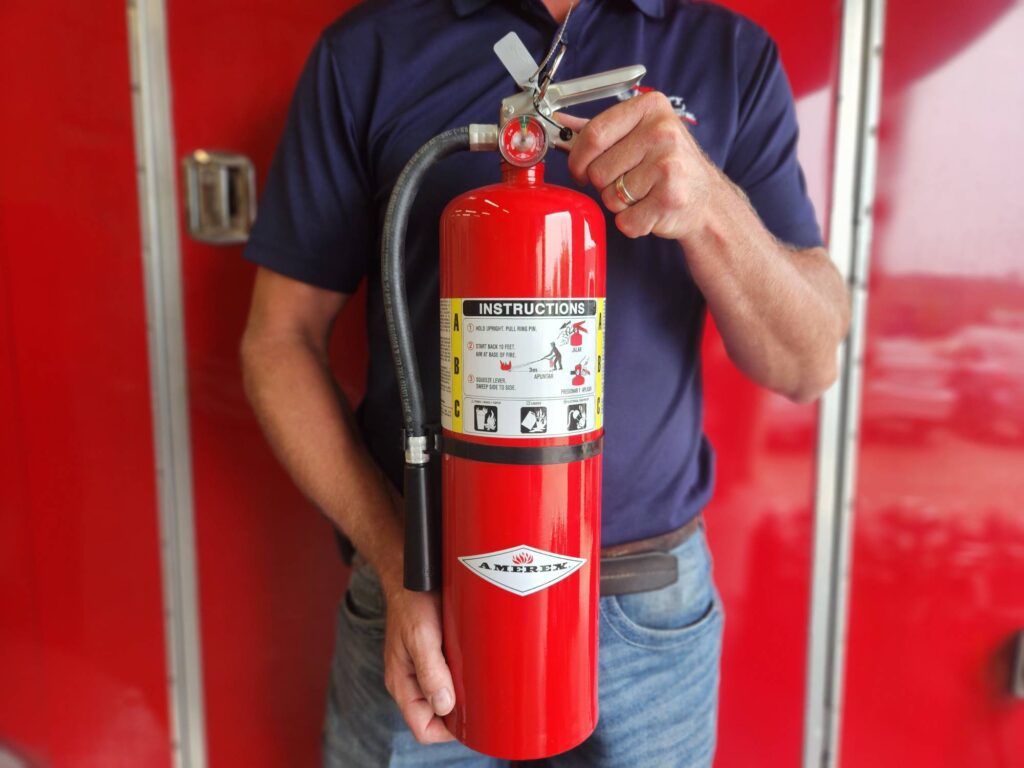
A Fire extinguisher is one of the initial tools or equipment used in fighting fire outbreaks. Hence, they must be in good working condition.
1) Location and Accessibility
- It is important to guarantee that fire extinguishers are placed on special premises and are not concealed.
- Check to ensure that nothing hinders access to the extinguishers.
2) Physical Condition
- This test will include looking for any signs of physical damage, signs of rust, or any fluid seeping from the extinguisher.
- Check that the pressure gauge of the seamless tube is within the working range.
3) Maintenance Tag
- Make sure that the maintenance tag accompanies the item and that it is stamped with the latest inspection.
Smoke Detectors &Fire Alarms
Smoke detectors and Fire alarms alert people to the potential presence of fire.
1) Testing Functionality
- Every alarm that has been installed and every detector that has been installed should be tested whether it is working or not.
- Check batteries, if there are any, and make sure that there are backs in case of power failure.
2) Sensitivity Check
- Ensure the smoke detectors do not go off easily or too often to prevent false alarms.
- Always ensure the detectors have no dirt in them to prevent any hindrance when they are being used.
Emergency Lighting and Exit Signs
This is a type of illumination that is both independent and electrical and assists people in evacuation during a fire calamity.
1) Visibility and Functionality
- Make sure that all the emergency lights and exit notices are easily noticeable and not covered.
- Check the functionality of all the lights and signs because they could be off due to power failure.
2) Battery Check
- Look at the batteries of any emergency lighting to ensure that they are charged and can last the required time.
Sprinkler Systems
The discharge systems and commercial fire sprinkler System are central in managing and putting out fire outbreaks.
1) Visual Inspection
- Check the sprinkler heads for any form of damage or vands that may be obstructing the water flow.
- Make sure the paint or the fingers do not obstruct the functionality of the sprinkler heads.
2) Water Supply
- Check that the water supply valves are on and that the system has the required water pressure.
Fire Doors and Exits
Fire doors and exits discharge people out of structures during fire incidents.
1) Condition and Operation
- Ensure that all fire doors are functional and in good condition so that they can close properly.
- Help confirm that doors can be opened from the inside without a key or any tools.
2) Signage and Lighting
- Make sure all the fire doors are well labeled and that they have the right types of lights.
- Assure that exits remain clear of any barriers and combustible substances.
Fire Action Plans and Exercising
One such requirement is adequate preparation by drawing up strategies for fire safety and ensuring the staff is well-trained in what they are supposed to do in the event of a fire outbreak.
1) Review Fire Safety Plans
- An organization should adopt the integrated practices of reviewing and updating fire safety plans frequently to ensure they are adequate and up-to-date.
- Ensure everyone in the building becomes informed of the plan and everyone familiarizes himself with roles in an emergency.
2) Conduct Drills and Training
- It is wise at present to carry out fire drills to make sure that every person is conversant with the evacuation procedures.
- Conduct training on how fire safety measures, particularly firefighting and protection equipment like fire extinguishers training.
Conclusion
A Monthly fire extinguisher inspection service Dallas is required at least once a month to guarantee that fire safety instruments and processes operate safely. The way and manner by which this is doable is through undertaking a Monthly Fire Safety Inspection Checklist to avoid fire incidents and, at the same time, respond to them effectively. Visual audits of the fire extinguishers, alarms, lighting, sprinkler systems, fire doors, and safety plans will ensure that your circumstances remain compliant with safety laws and assure all inhabitants of your building.